.svg)




.jpg)


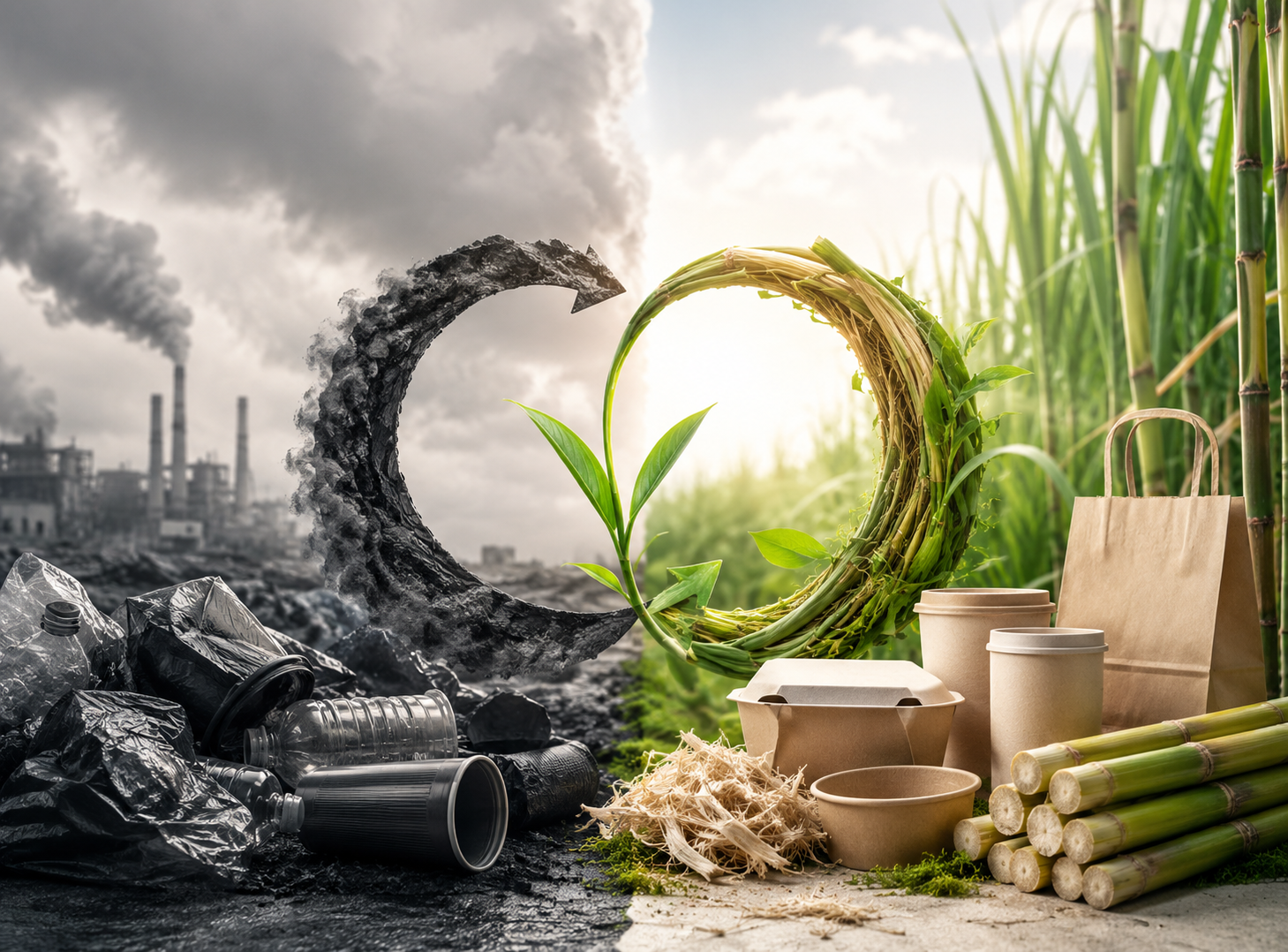
As the global community approaches Earth Day 2026, the strategic focus centers on the official theme: "Our Power, Our Planet," with an intense, continued emphasis on the ongoing battle of "Planet vs. Plastics". While the public narrative has historically focused on macroscopic plastic pollution in marine environments, corporate sustainability teams and procurement officers must now confront a far more insidious and immediate threat: the pervasive contamination of microplastics within the food supply chain.
For decades, the food service industry has relied on seemingly benign paper packaging formats, including coffee cups, takeaway containers, and soup bowls. However, traditional cellulose lacks inherent moisture and grease resistance, necessitating the application of thin internal linings composed of polyethylene or other petroleum-based polymers. A groundbreaking 2026 peer-reviewed study from the University of Amsterdam has fundamentally altered risk assessments, revealing that fruits, vegetables, and grains account for roughly 99.5% of human microplastic consumption, a phenomenon heavily exacerbated by prolonged contact with synthetic packaging materials.
Further reinforcing this crisis, a comprehensive meta-analysis of 103 scientific studies confirmed that 96% of tested plastic-lined food contact materials actively shed micro- and nanoplastics into food during intended use, particularly when subjected to thermal stress or mechanical friction.

For commercial brands and Quick Service Restaurants, continuing to deploy plastic-lined paper packaging is rapidly transitioning from a poor environmental choice to a profound liability, impacting both consumer trust and impending regulatory compliance. The long-term solution lies in fundamentally rethinking the barrier properties of packaging substrates at the molecular level.
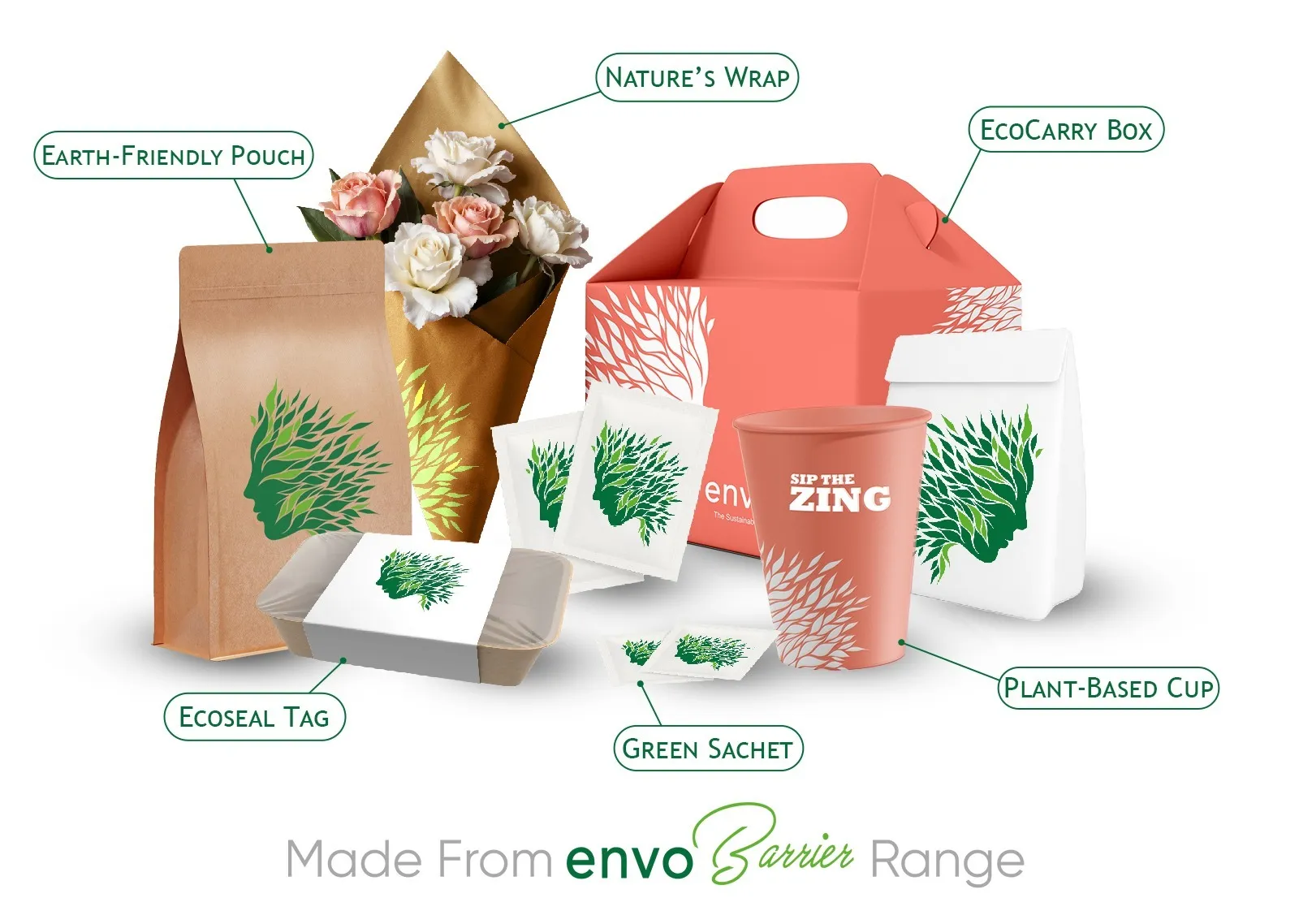
The latest advancements in materials science have paved the way for authentic, plastic-free alternatives. The industry is rapidly adopting Water-Based Barrier Coatings (WBBC). These advanced aqueous dispersions utilize thermoplastic polymers to create a hydrophobic layer over the paper substrate, achieving excellent Cobb test values—the international standard for measuring water absorption—without leaving behind fragmented microplastic particles.
Equally critical is the selection of the base substrate itself. Agricultural waste fibers, such as sugarcane bagasse, possess a natural, dense fiber structure that is inherently superior for demanding food contact applications. Unlike standard kraft paper, which absorbs moisture and weakens rapidly under thermal load, bagasse maintains exceptional structural integrity at temperatures up to 120 degrees Celsius and handles steam condensation efficiently without rapid degradation. This inherent thermal and structural resilience minimizes the volume of chemical coatings required to achieve baseline performance.
This Earth Day, businesses must elevate their strategies beyond basic end-of-life recycling metrics and address the immediate chemical and particulate reality of their packaging portfolios. By transitioning to resilient agricultural waste substrates paired with advanced aqueous barrier technologies, brands can completely eliminate microplastic shedding, proactively protect consumer health, and align authentically with the vital "Planet vs. Plastics" mandate.