.svg)




.jpg)


World Environment Day, hosted in 2026 by the Republic of Azerbaijan, centers its global platform entirely on the urgent necessity for decisive, measurable Climate Action. As corporations strive aggressively to meet binding Net Zero commitments and comply with increasingly stringent international reporting standards, understanding the granular, scientific nuances of carbon accounting has never been more critical. Within the packaging sector, one of the most vital yet frequently misunderstood concepts is the fundamental distinction between fossil carbon and biogenic carbon.
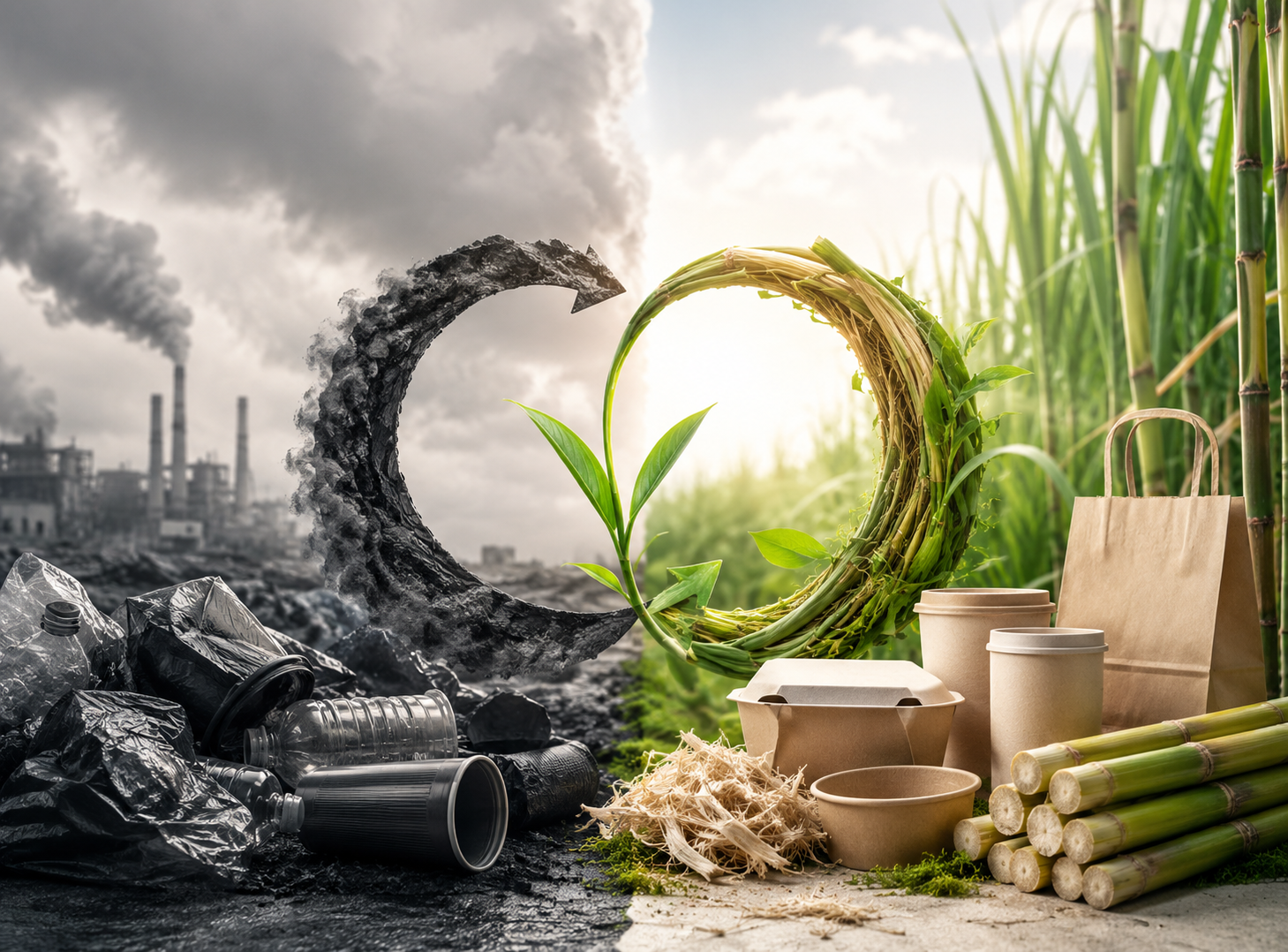
Traditional plastics and fossil-fuel-driven manufacturing processes rely on the extraction of ancient carbon that has been securely sequestered deep underground for millions of years. When these materials are extracted, processed, and eventually incinerated or degraded, this fossil carbon is released, permanently increasing the atmospheric concentration of carbon dioxide and directly accelerating global warming.
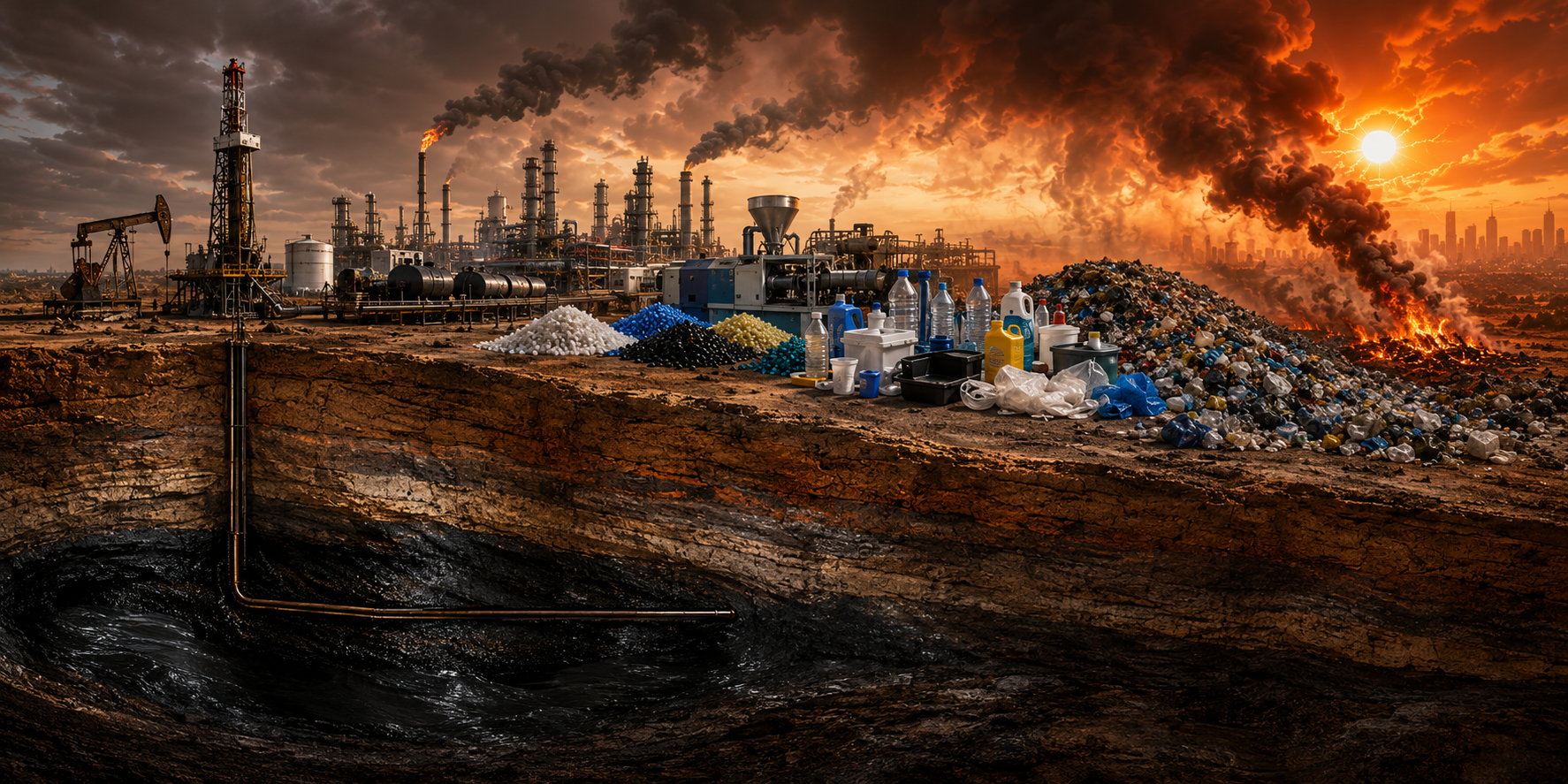
In stark contrast, biogenic carbon operates within the Earth's natural, fast carbon cycle. It refers specifically to the carbon absorbed from the atmosphere by plants during the process of photosynthesis, which is subsequently released back into the environment during natural decomposition or combustion. When a fast-growing crop like sugarcane matures, it rapidly draws down atmospheric CO2. If the leftover agricultural waste—bagasse—is then transformed into commercial packaging, that carbon remains temporarily locked within the physical product. At the product's eventual end-of-life, the resulting emissions merely return the recently absorbed carbon back to the atmosphere, maintaining a balanced, net-neutral biogenic cycle.
Comparative Life Cycle Assessments starkly illustrate the vast disparity between packaging materials. Traditional paper production from virgin wood pulp is exceptionally energy-intensive, requiring massive thermal and electrical inputs. Industry studies calculate that one metric ton of conventional coated or uncoated mechanical paper generates between 1300 kg and 1600 kg of CO2 equivalent (CO2e). Conversely, paper manufactured from upcycled agricultural waste boasts a vastly superior climate profile. A dedicated LCA utilizing the Environmental Paper Network calculator determined that the total greenhouse gas footprint of sugarcane bagasse paper is approximately 1.3 kg CO2e per kg of paper across its entire life cycle—a reduction of up to 85% compared to uncoated wood-derived paper with zero recycled content.

As international regulators crack down severely on corporate greenwashing, companies can no longer rely on broad, unverified assertions of "climate-friendliness." Procurement and sustainability officers must audit their supply chains using rigorous LCA data that clearly demarcates biogenic from fossil carbon flows to ensure accurate Scope 3 emissions reporting.
This World Environment Day, actionable climate progress dictates a fundamental rethinking of material sourcing. By substituting fossil-intensive and wood-derived materials with rapidly renewable agricultural waste, businesses leverage the biogenic carbon cycle to dramatically lower their emissions, proving that authentic sustainability is driven by rigorous carbon accounting.